Summary
Chartae is a retro RPG with card-based combat. I worked on this in 2024, writing the narrative and design, while Lucas Parker, a friend with a coding background, built the systems with C# in Unity. We threw together a very early prototype and played around with the idea, but ultimately decided the time commitment was too large for either of us.
Narrative
My main interest in this project was the narrative, with a serious effort put into world building, and constructing a greater plot alongside it.
Narrative Principles
After playing many RPGs and finding issues with their narratives, I created some basic principles that should always be adhered to:
- Each sub-plot must serve the larger narrative by highlighting the internal and external conflicts present throughout the world.
- Combining multiple conflicts should be carefully considered, and never forced. The outcomes of decisions should have meaningful effects.
- Every quest should have exclusive options to serve meaningful player choice, and good opportunities for replayability.
- Repetitively visiting a specific location should be avoided at all costs. If possible, avoid having the player return to the quest giver for their reward.
So based on these, it’s clear that I expected a very wide range of outcomes within each narrative. Dense and branching narrative is often avoided in many games for the time constraint, and complexity of connecting events together coherently. But many players, including myself, would happily become immersed in a dense, but brief story, over a long and more linear one.
The World of Chartae
The world can be described as a set of populations struggling with their identities after a devastating continental war. The narrative is built on layers of internal and external conflicts between the world’s inhabitants. Integration vs Isolation, Vengeance vs Forgiveness, Anarchy vs Unity are just some examples of the values that the player will have to question.
Nature vs Industry is another such conflict. The player’s homeland, Galthro, is a peaceful, nature oriented and druidic culture, while their new home of Dameritas is an industrial powerhouse that sought supremacy. A new technology, one that ultimately led to the conflict, was automated machinery. Created from insect brains, these can be networked together to form more complex computer systems. For a Golthroan to be thrown into a land which commits such blatant acts of sacrilege against nature is horrific. They will constantly wrestle with the morality of their neighbours. Will they insist on rejecting such evils, or accept the benefits and normalisation of the new technology?
The Player’s Story
The game begins with the player being released as a prisoner of war within the nation they swore to fight against. Their homeland has since been destroyed, and so their first decision will be to choose how they want to live in this new land. There are many questions they will need to ask themselves, which will each have consequences on the flow of the story.
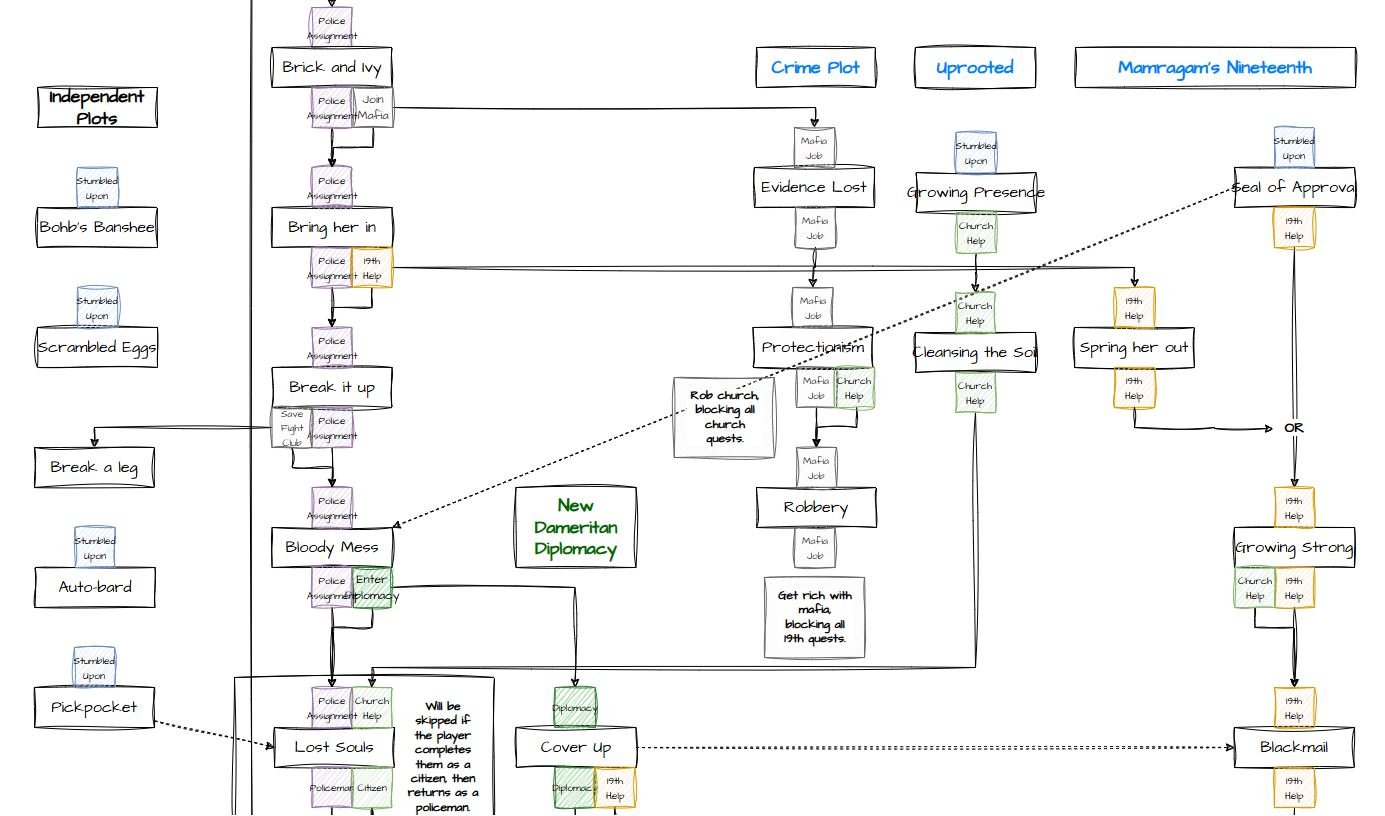
The player is nudged to become a police officer. With all the new Golthroan migrants, an officer that can talk to them with familiarity is a useful asset. Within Blackheath is another faction called Mamragam’s 19th, who insist on taking revenge against their previous oppressors.
The player can choose to become an officer, and take them down; become an officer, and help them as a double agent; become an officer, help them, and then betray them; not become an officer at all, and join them as an insurgent; or avoid both groups entirely. All options will have them labelled as a traitor in someone’s eyes.
Mythology
One surprisingly fun part of the narrative was writing the cosmology, and mythology of the world. This served as a backbone for magic, culture, religion, the creatures of the world, and even the language people use. It’s also quite fun as cosmology often has a very improvised style, and is quite unrestricted in its logic and structure.
Previously Mamragam’s 19th were mentioned as an unforgiving insurgent group. Their name is a reference to the god, Mamragam, who is said to have previously committed 18 Unending Judgments on the world which are each like a religious parable.
Even the months of the year, and their respective number of days, each reference a different myth. The coldest month is Haggarm, it is 18 days long with each day traditionally serving as a reflection of one of Mamragam’s Judgements.

Player Stats
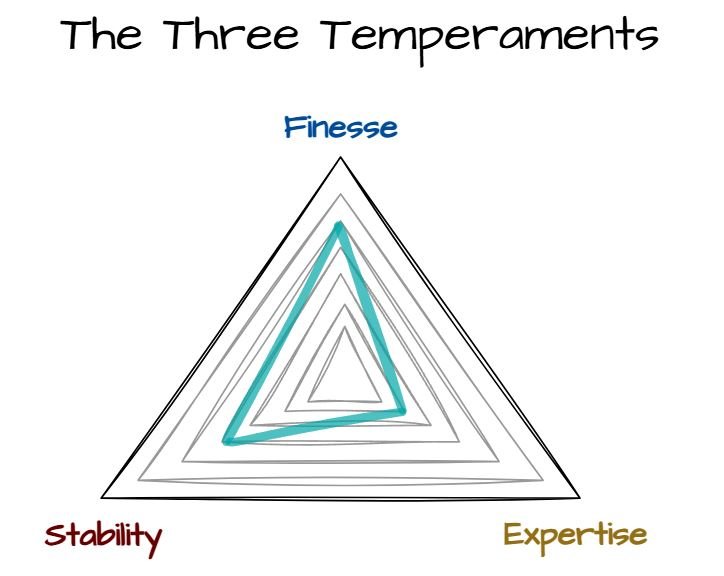
For simplicity, the character stats were limited to just The Three Temperaments: Finesse, Stability, and Expertise. These would determine the player’s usable combat cards, as well as their dialogue options, and other skill checks. Each Temperament reflected on the characters social behaviour, combat style, magical talent, and physical traits.
Dialogue
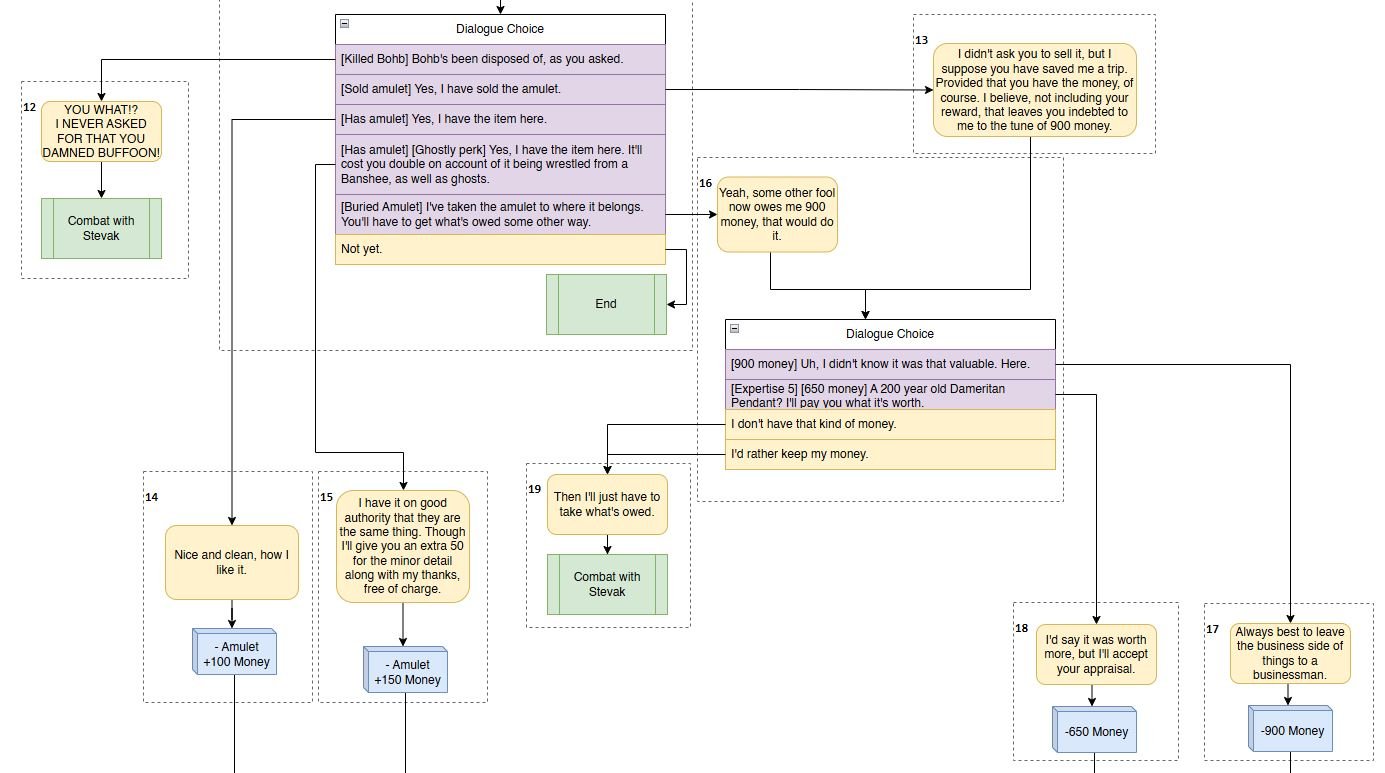
I was adamant that dialogue should be detailed and feel as real as possible. Conversations should flow in a realistic way, and characters should not be oblivious to the world around them. To test this approach, a standalone quest was created with multiple decisions and endings.
Concept
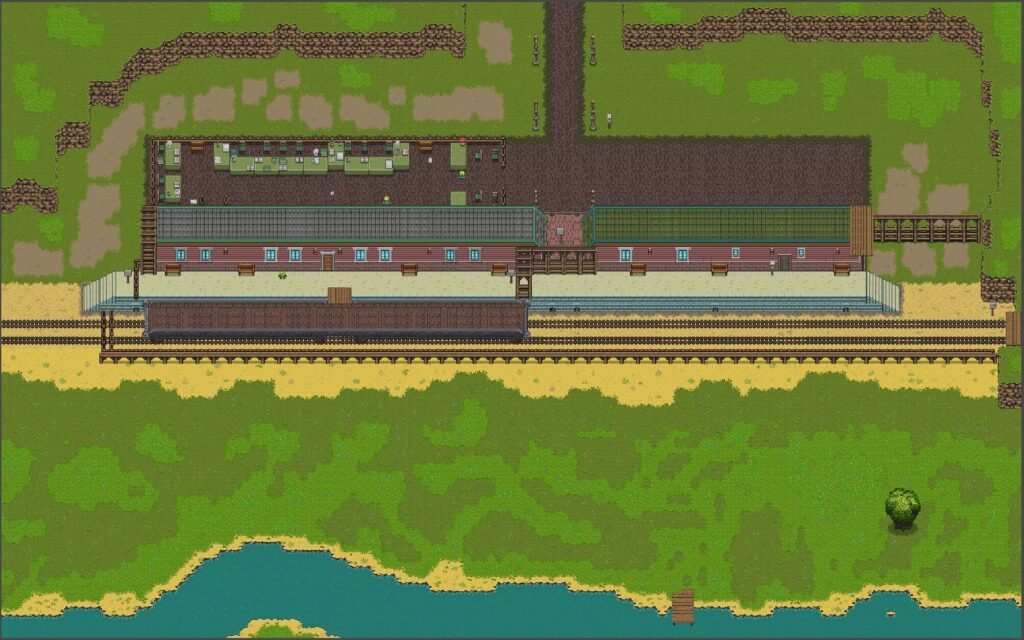
Me and Lucas made a very simple concept to gauge the time it would take to throw a level together. Lucas set up the project in Unity as well as Unity DevOps Version Control so we could collaborate on the project seamlessly. He quickly put together the level transition code, dialogue system, menu, and inventory.
I focused on building the Train Station with purchased sprites from various Humble Bundles, and built the dialogue trees for a couple of characters.
Future
This project is a narrative one for me. I have not written off the game as a whole as I do quite like the idea, and it is a scope I think I could handle over a couple of years, but my biggest concern would be creating a dialogue system that suits my narrative goals and is quick to write the narrative within.
I’d also want to use premade assets as after how much time the sprite and audio work took me in God Is Debt, I’d rather be able to focus on the narrative side of things.
Since I like the narrative so much, this also leads to the possibility to completely drop the card-based combat, creating a more visual-novel-esque game, though I feel that this would be too simple, it would need something really interesting to keep it fun without any combat. Extremely complex, intricate, lockpicking? I’ll have to think of something.